Cultivate a Greener Backyard: Embrace Aquaponic Gardening for Sustainability
Tired of the endless cycle of watering, fertilizing, and battling pests in your garden? Imagine a self-sustaining ecosystem thriving in your backyard, producing both vibrant plants and delicious fish. That's the magic of aquaponics, a sustainable gardening technique that combines aquaculture (raising fish) and hydroponics (growing plants without soil) to create a harmonious, environmentally friendly system. This article will guide you through the process of integrating aquaponics into your outdoor space, transforming it into a haven of biodiversity and bountiful harvests.
Understanding the Aquaponic Cycle: Nature's Perfect Partnership
Aquaponics harnesses the natural symbiotic relationship between fish and plants. Fish waste, rich in ammonia, is naturally filtered through a specialized media bed. Beneficial bacteria within this media convert the toxic ammonia into nitrites, then nitrates â€" the perfect plant food! This nutrient-rich water is then circulated to nourish your hydroponic plants, completing the cycle. The plants, in turn, filter the water, removing excess nutrients and creating a cleaner, healthier environment for the fish. This closed-loop system drastically reduces water consumption and eliminates the need for chemical fertilizers, creating a truly sustainable gardening solution.
Designing Your Backyard Aquaponic System: Size and Setup
The size and complexity of your aquaponic system depend on your space and ambition. A small system suitable for a balcony or patio might consist of a few fish tanks and a simple grow bed. For a larger backyard, you can create more elaborate systems involving multiple tanks, larger grow beds, and even automated components. Consider the following:
Choosing the Right Location:
Select a sunny spot with easy access to water and electricity (if using pumps or other equipment). Ensure the area is protected from extreme weather conditions and has adequate drainage to prevent waterlogging.
System Components:
- Fish tank: Choose a tank appropriate for your chosen fish species and desired yield. Consider the tank’s material, durability, and ease of cleaning.
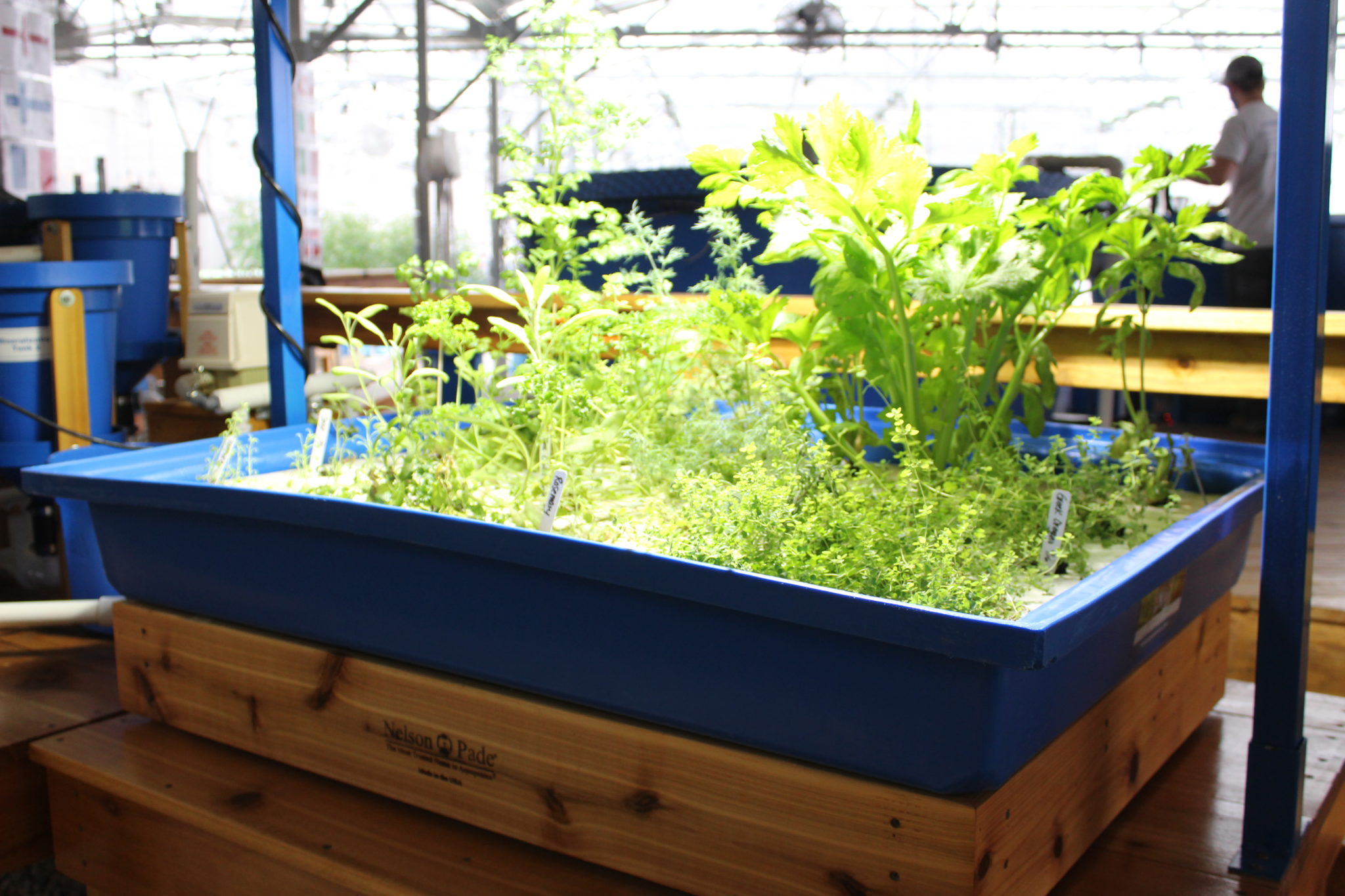
- Grow bed: This can be a simple container filled with gravel or a more sophisticated system using specialized media. Ensure adequate surface area for your chosen plants.
- Pump: A reliable pump is crucial for circulating water between the fish tank and the grow bed. Choose a pump appropriate for your system’s size and flow rate.
- Biofilter media: This is where the magic happens! The media provides a surface area for beneficial bacteria to colonize and convert fish waste into plant nutrients. Popular choices include lava rock, gravel, or specialized bio-media.
Choosing Your Fish and Plants: A Harmonious Blend
The success of your aquaponic system relies heavily on selecting compatible fish and plants. Hardy, fast-growing fish like tilapia, catfish, or koi are good beginner choices. Similarly, fast-growing, nutrient-hungry plants such as lettuce, basil, strawberries, and tomatoes thrive in this environment. Research the specific needs of your chosen species to ensure a healthy and balanced system.
Maintaining Your Aquaponic System: Ongoing Care
While aquaponics is a self-sustaining system, it requires regular monitoring and maintenance. This includes regularly testing water parameters (pH, ammonia, nitrite, nitrate levels), cleaning the tank and grow bed, and harvesting your fish and plants. Regular water changes might be necessary to maintain optimal water quality. Learn to identify signs of imbalance and address them promptly to prevent issues and ensure the health of your system.
Beyond the Basics: Expanding Your Sustainable Backyard
Once you’ve mastered the fundamentals of aquaponics, you can expand your sustainable backyard further by incorporating other eco-friendly practices. Consider adding composting bins to recycle kitchen waste and create nutrient-rich compost for your soil, planting native species to attract pollinators and beneficial insects, and installing rainwater harvesting systems to reduce water consumption. By combining aquaponics with other sustainable practices, you can create a truly thriving, environmentally conscious outdoor space.
