0
comments
0
comments

Dive In! Building Your Own Aquaponic Garden
Hey there, fellow gardening enthusiasts! Ever dreamt of having fresh, homegrown veggies and the soothing sounds of a fish tank all in one? Well, get ready because we're about to build your very own aquaponic garden! This isn't rocket science, I promise â€" it's a fun project that combines the best of aquaculture (raising fish) and hydroponics (growing plants without soil). Let's get started!Phase 1: Planning Your Aquaponic Paradise
Before we get our hands dirty (literally!), we need a solid plan. This isn't just about throwing some fish and plants together; it's about creating a balanced ecosystem.Choosing Your System: The Great Debate
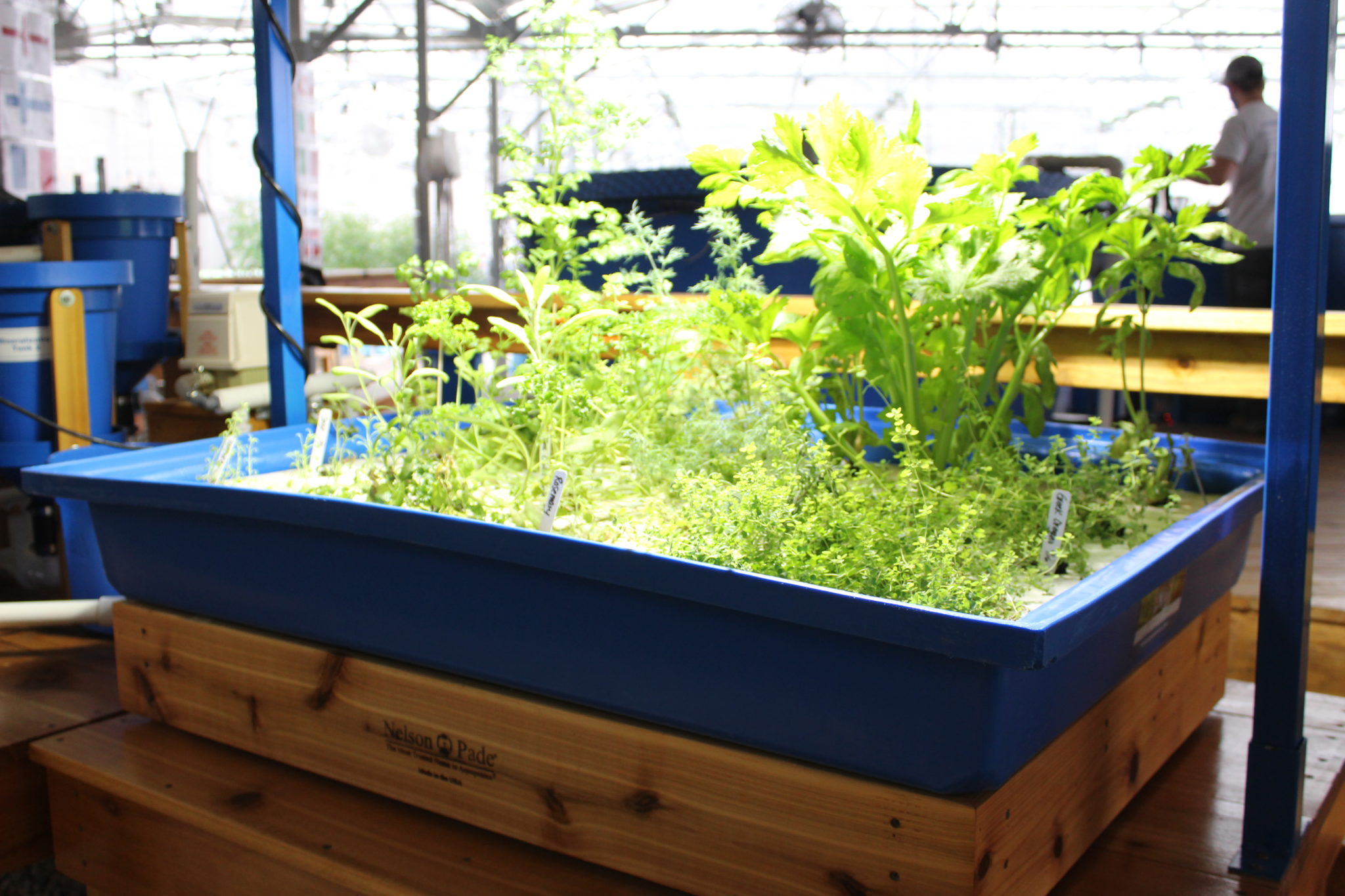
There are several aquaponic setups, each with its pros and cons. The most common are:- Media Bed Systems: These are generally simpler to build and maintain. The fish tank sits below a bed filled with gravel or clay pebbles. Fish waste-rich water is pumped up to the bed, where beneficial bacteria break down the waste into plant food. The water then drains back into the fish tank. Perfect for beginners!
- Deep Water Culture (DWC): This involves floating your plants in a nutrient-rich solution directly above the fish tank. It's efficient, but requires a little more technical know-how to manage nutrient levels.
- Nutrient Film Technique (NFT): In NFT systems, a thin film of nutrient-rich water is constantly circulated over the roots of plants grown in vertical tubes. This system requires more precision but offers high yields.
Picking Your Plants and Fish: A Match Made in Aquaponic Heaven
The key to a successful aquaponic system is compatibility. Certain plants and fish thrive better together. Here's what to consider:- Hardy Plants: Leafy greens like lettuce, kale, and spinach are excellent choices as they tolerate a range of conditions. Herbs like basil and mint also do well. Avoid plants with deep root systems.
- Fishy Friends: Tilapia, goldfish (though they can get big!), and koi are popular choices for beginners. Remember to research the specific needs of your chosen fish species regarding tank size and water parameters.
Size Matters: How Big Should Your System Be?
Start small! Don't overwhelm yourself with a massive system right off the bat. A small setup will help you learn the ropes before scaling up. Consider the space you have available and the number of plants and fish you want to accommodate.Phase 2: Building Your System: Getting Your Hands Dirty
Now for the fun part â€" actually building your aquaponic garden! Remember, safety first! Wear gloves and protective eyewear when working with tools.Materials You'll Need:
* A fish tank (at least 20 gallons for a starter system) * A grow bed (a container that will hold your grow media â€" this could be a plastic tub, a repurposed container, etc.) * Grow media (clay pebbles, gravel, or lava rock) * An air pump and air stone (to keep the fish tank oxygenated) * A submersible water pump (to circulate the water) * Tubing (to connect the pump to the grow bed and back to the tank) * Plants and fish! * A water testing kit (essential for monitoring water parameters)Step-by-Step Construction:
1. Set up your fish tank: Place it on a stable surface, ensuring it’s level. 2. Prepare your grow bed: Clean and thoroughly rinse your chosen container. Add the grow media, ensuring it’s evenly distributed. 3. Install the pump: Place the submersible pump in the fish tank and secure the tubing. 4. Connect the tubing: Run the tubing from the pump to the grow bed, ensuring a secure connection to avoid leaks. 5. Create the drainage system: Allow for proper water drainage from the grow bed back into the fish tank. 6. Prime the system: Fill the system with water, allowing the water to circulate and ensure everything is working correctly. 7. Add your fish: Introduce your fish gradually, allowing them to acclimate to the new environment. 8. Plant your plants: Carefully plant your chosen plants in the grow bed.Phase 3: Maintaining Your Aquaponic Oasis: The Ongoing Care
Building the system is only half the battle. Maintaining it requires regular attention.Monitoring Water Parameters:
Regularly test your water for ammonia, nitrite, and nitrate levels. These are crucial indicators of the health of your system. You'll want to keep ammonia and nitrite levels close to zero, while nitrates should be within a healthy range for your chosen plants and fish.Feeding Your Fish:
Feed your fish appropriately, avoiding overfeeding. Excess uneaten food can pollute the water.Harvesting Your Bounty:
The best part! Once your plants are mature, harvest and enjoy your fresh produce.Troubleshooting Common Issues
Aquaponics can have its hiccups. Don't worry, it's all part of the learning process.- Cloudy Water: This often indicates a bacterial bloom. Try increasing water circulation.
- High Ammonia/Nitrite Levels: This points to a problem with the nitrogen cycle. Perform partial water changes and monitor your fish closely.
- Plant Wilting: This could be due to nutrient deficiencies or insufficient water flow. Check your water parameters and adjust accordingly.
Frequently Asked Questions
Q: How much does it cost to build an aquaponic system?
A: The cost varies greatly depending on the size and complexity of your system. You can build a small system for a few hundred dollars, while larger, more complex systems can cost significantly more.
Q: How much time does it take to maintain an aquaponic system?
A: Maintenance varies depending on the size of your system. A small system may only require 15-30 minutes of attention per week, whereas larger systems may require more time.
Q: Can I use tap water?
A: It's best to avoid tap water due to chlorine and chloramine, which are harmful to fish. Use dechlorinated water or rainwater.
Q: What if my plants aren't growing?
A: Several factors can affect plant growth. Check your water parameters, ensure adequate lighting, and verify your nutrient levels.
Q: What happens if my fish get sick?
A: Observe your fish closely for any signs of illness. Isolate sick fish and consult a veterinarian specializing in aquatic animals.
There you have it! Your journey into the amazing world of aquaponics begins now. Remember to be patient, persistent, and have fun! Happy growing (and fishing)!